
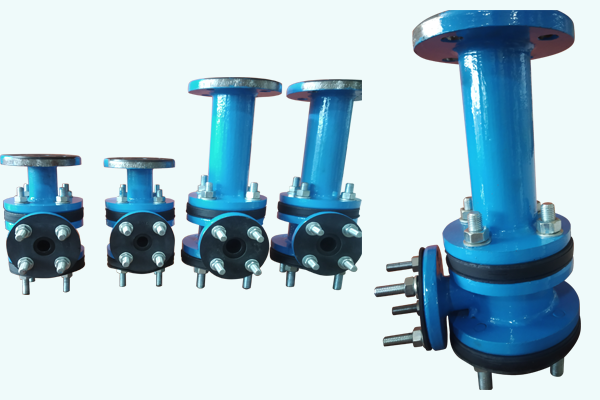
Selecting an ejector isn’t simply about choosing the right material or operating pressure. One specification that often gets overlooked, yet has a major impact on performance, is the ejector ratio. It’s a figure that directly influences how efficiently an ejector performs in a given application.
If you’ve come across terms like 1:1 vs 1:5 ejector and wondered what they actually mean, you’re not alone. Many engineers and plant operators understand the basics of ejectors but aren’t always clear on how these ratios affect system performance.
This guide offers an ejector ratio explained in simple terms, helping you understand why the ratio matters and how to choose the ejector ratio that best suits your process.
What Is an Ejector Ratio?
An ejector ratio refers to the relationship between the motive fluid entering the ejector and the amount of suction fluid it can entrain or handle. Simply put, it indicates how effectively an ejector uses one fluid to move another.
The ratio influences several aspects of performance, including:
- Suction capacity
- Flow rate
- Pressure recovery
- Overall efficiency
- Application suitability
While the ratio may appear to be a small technical detail, it is one of the key factors that determine whether an ejector will perform efficiently in real operating conditions.
Why Does the Ejector Ratio Matter?
Every industrial process has different operating requirements. A chemical plant may require high suction performance for handling process gases, while a water treatment facility may prioritise steady fluid transfer with minimal maintenance.
What most people don’t realise is that there isn’t a universal ejector ratio that works for every application.
The right ratio ensures:
- Stable system performance
- Efficient fluid movement
- Reduced operating issues
- Better process reliability
- Lower long-term operating costs
Selecting the wrong ratio, on the other hand, can reduce efficiency, increase motive fluid consumption, or prevent the ejector from achieving the desired suction performance.
Understanding 1:1 vs 1:5 Ejector Ratios
The discussion around 1:1 vs 1:5 ejector generally comes down to the amount of secondary or suction fluid handled relative to the motive fluid.
1:1 Ejector Ratio
A 1:1 ratio indicates a balanced operating condition in which the motive and suction fluids are approximately equal in proportion.
This type of configuration is often selected when:
- Stable operating conditions are required
- Controlled suction performance is important
- Moderate flow rates are sufficient
- Process consistency is the priority
Because of its balanced design, a 1:1 ejector is frequently used in applications where predictable performance matters more than the ability to handle large volumes.
1:5 Ejector Ratio
A 1:5 ratio is designed to entrain a significantly greater volume of suction fluid than of motive fluid.
This makes it suitable for applications involving:
- Higher suction requirements
- Larger gas or vapour handling capacity
- Processes requiring greater entrainment
- Specific industrial vacuum applications
However, achieving a higher entrainment ratio requires careful engineering. The operating pressure, nozzle design, diffuser geometry, and process conditions all become more critical.
This is why simply selecting a higher ratio does not automatically mean better performance.
Factors That Influence Ejector Ratio Selection
When choosing the ejector ratio, engineers evaluate several process variables rather than relying on a standard specification.
Operating Pressure
The available motive fluid pressure plays a significant role in determining the appropriate ejector design.
Higher pressures may support different entrainment characteristics, while lower pressures require designs optimised for those conditions.
Required Suction Capacity
The volume of gas, vapour, or liquid that needs to be handled directly affects the ratio selection.
Processes demanding higher suction capacities may require different configurations than systems designed for steady, controlled operation.
Nature of the Process Fluid
Different fluids behave differently.
Engineers consider factors such as:
- Density
- Temperature
- Corrosiveness
- Moisture content
- Presence of solids
These characteristics influence ejector sizing and ratio selection.
System Back Pressure
Every ejector operates within a complete system rather than as a standalone component.
Back pressure affects performance significantly. An ejector that performs efficiently in one installation may deliver different results if installed in a system with different discharge conditions.
Overall Process Objectives
Some industries prioritise maximum vacuum generation.
Others focus on:
- Reliable fluid transfer
- Continuous operation
- Minimal maintenance
- Long equipment life
The selected ejector ratio should always support the overall process objective rather than focusing on a single performance parameter.
Common Applications of Different Ejector Ratios
Different industries require different operating characteristics.
Chemical Processing
Chemical plants often require customised ejector ratios based on reactor conditions, vapour-handling requirements, and process safety considerations.
Water Treatment Plants
Water treatment applications generally focus on reliable operation, consistent flow, and minimal maintenance, making the ratio selection process-specific.
Fertilizer Industry
Fertiliser manufacturing frequently involves handling aggressive process gases, where ejector performance must remain stable despite varying operating conditions.
Thermal Power Plants
Steam ejectors used in condenser evacuation and vacuum generation are carefully designed based on the required suction capacity and operating pressures.
Marine Applications
Compact, reliable ejectors are widely used in marine systems where dependable operation and reduced maintenance are essential.
Why Custom Engineering Matters
In our experience, the biggest mistake facilities make is assuming that ejector ratios are interchangeable.
Here’s where things get interesting.
Two plants performing similar processes can require completely different ejector designs because their operating pressures, temperatures, elevations, and process conditions vary.
That is why experienced manufacturers do not recommend an ejector based solely on a ratio.
Instead, they evaluate:
- Process operating conditions
- Flow requirements
- Pressure data
- Fluid characteristics
- Installation environment
- Desired system performance
Only after analysing these factors is the most suitable ejector configuration determined.
Looking Beyond the Ratio
While understanding 1:1 vs 1:5 ejector configurations is important, the ratio alone does not determine performance.
A well-designed ejector also depends on:
- Proper nozzle sizing
- Efficient diffuser design
- Material compatibility
- Manufacturing precision
- Quality control during production
Even a correctly selected ratio can underperform if the ejector is poorly designed or manufactured.
This is why industries working with critical processes often partner with manufacturers capable of delivering application-specific engineered solutions rather than standard products.
How to Choose the Right Ejector Ratio
If you’re wondering how to choose the ejector ratio, start by gathering accurate process information rather than focusing on ratio numbers alone.
Key questions include:
- What fluid is being handled?
- What is the required suction capacity?
- What motive fluid is available?
- What operating pressures are involved?
- What discharge conditions exist?
- Is the application continuous or intermittent?
Answering these questions allows engineers to determine the most efficient ejector design for your specific process.
The result is better reliability, improved efficiency, and lower operating costs over the equipment’s lifetime.
Conclusion
An ejector ratio, explained simply, is a measure of how an ejector balances motive fluid with the fluid it entrains, but its practical impact extends far beyond a single number. Understanding the difference between a 1:1 and a 1:5 ejector helps engineers appreciate how suction capacity, operating conditions, and process requirements influence performance.
Rather than selecting an ejector based solely on ratio, it’s essential to evaluate the complete application. Factors such as pressure, fluid characteristics, system design, and operational objectives all play a role in achieving reliable and efficient performance.
With decades of expertise in developing and manufacturing industrial ejectors, MSEL Ejectors develops customised solutions that match real-world process requirements. By choosing the right ejector ratio and the right engineering partner, industries can ensure long-term reliability, efficient operation, and dependable performance across a wide range of industrial applications.